How I lost $70 million
I lost about $70 million trying to make housing cheaper.
Most of it was money we poured in to finish one apartment building and never got back. The rest was the company we had built, which went from 250 people to about 15.
Our investors never lost money, and every paycheck went out on time. But most of our team lost their jobs, and none of what led there was their doing. This is what happened, what I got wrong, and what I’d do differently.
What we were building
Norhart builds and runs apartments in the Twin Cities. Our mission was to bring down the cost of housing, and our way of getting there was to do nearly all the work ourselves.
We had plumbers and electricians on staff, and our own architects and engineers. We ran a precast concrete plant and manufactured our own wall panels. Our supply chain reached into other countries, and we had started on factory capacity in Mexico.
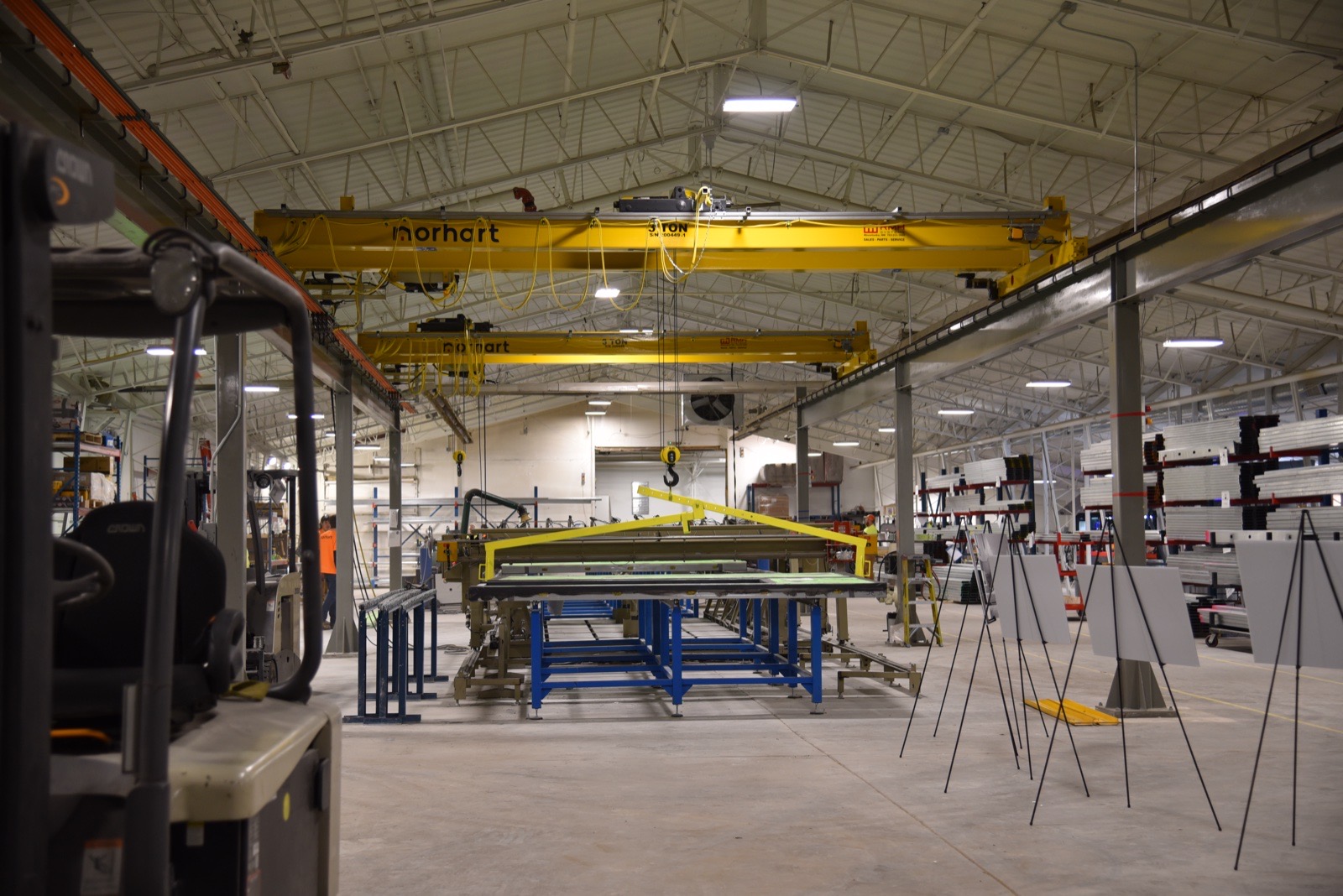
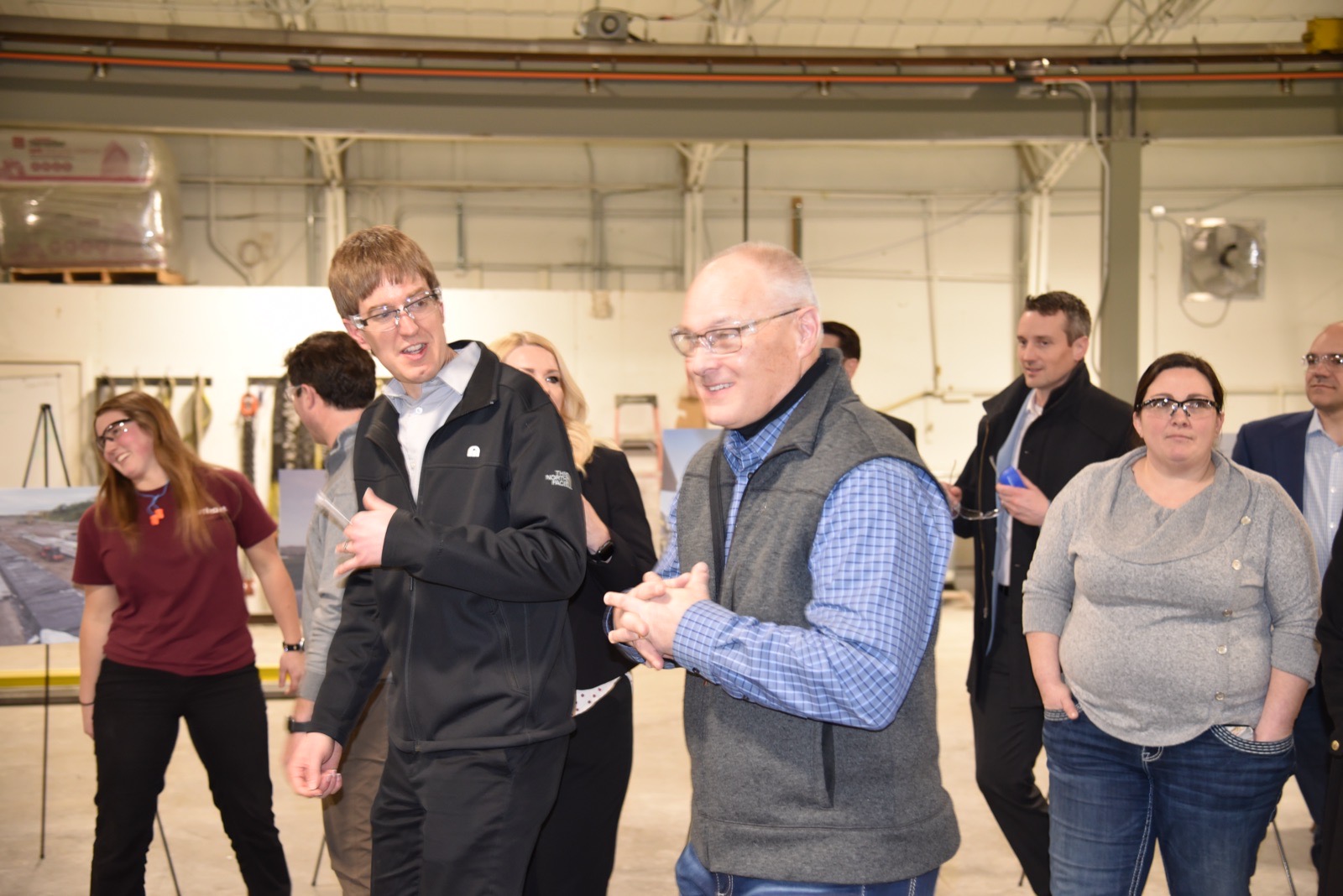
For years we grew slowly. That changed when I finally understood the vision and focused on hiring great people, because great people open doors. From then on we roughly doubled in size every year, from 10 or 15 employees to 250. Construction is a hard industry to hire in, and at our best we hired about 2% of the people who applied.
Norhart Oakdale
Norhart Oakdale is 328 apartments in a seven-story building in Oakdale, a suburb of St. Paul. The new Gold Line transit stop is at the front door. We broke ground in 2022, opened in phases, and finished the last phase in 2025.
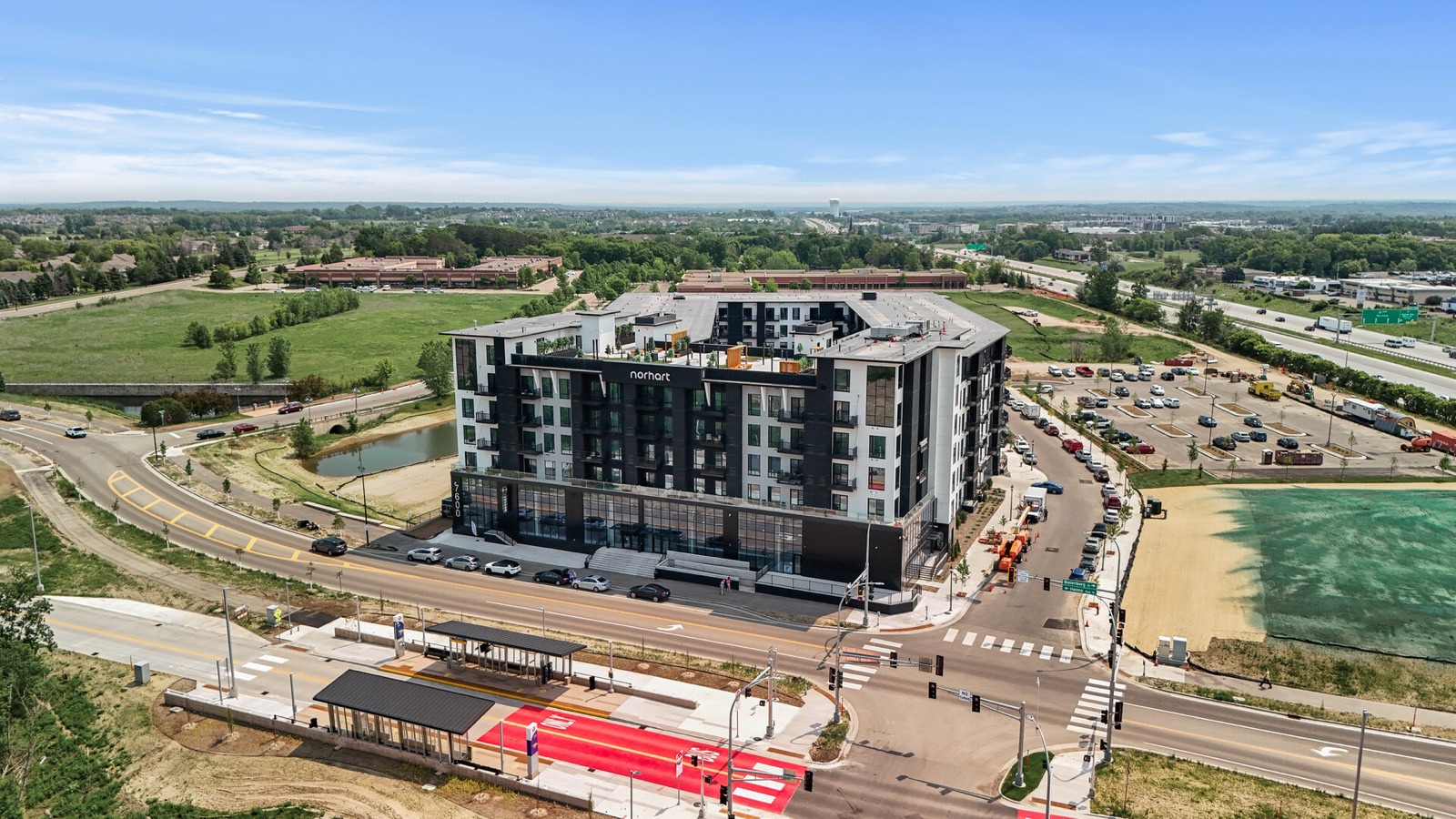
It has a coffee shop, a restaurant, a movie theater, and a rooftop garden that looks out at both downtown Minneapolis and downtown St. Paul.
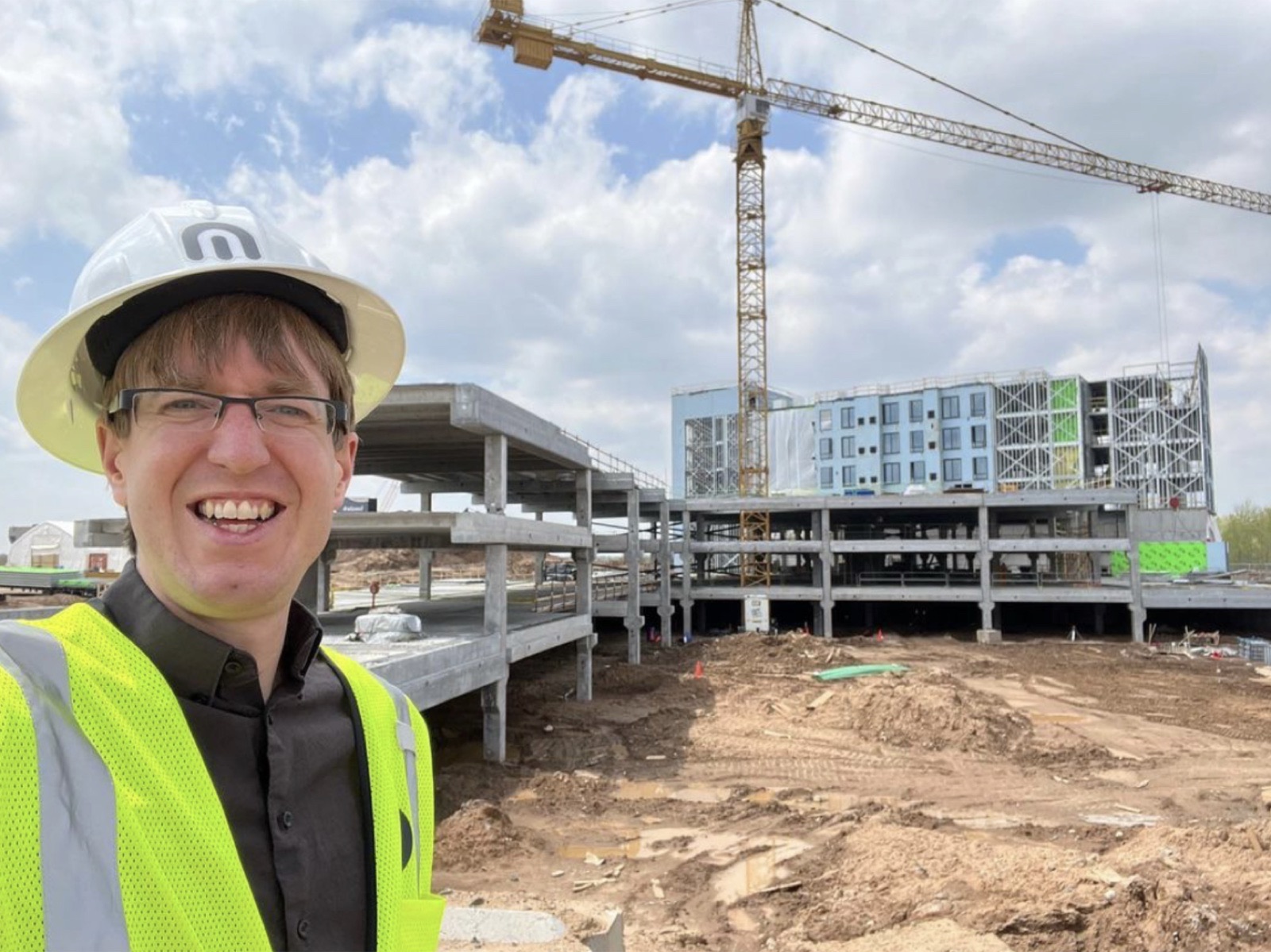
Much of how we built it was new to us. The precast concrete was new, and so were the wall panels made off site. We switched to metal studs to bring costs down. Many of the people were new too.
The way we ran the work wasn’t new. Toyota had helped us learn lean manufacturing, mostly before Oakdale, and we used those principles to build it. At our best, a newly finished apartment came off the line every five hours. Each one took much longer than that from start to finish, but they were completed one after another, five hours apart.
What I got wrong
Anything new gets harder before it gets better. A new way of building might cost double at first, before it eventually costs half. Those numbers are an illustration, not our books, but the shape is right. There is a hump to get over first.
My first mistake was stacking the humps. New concrete, new panels, new studs, new methods and new people all landed on one building at the same time, and the early costs compounded. We slowed down and the project ran over. That was my call as the leader, and my fault. By the end we had figured it out and were moving much faster, but by then the next wave had hit.
My second mistake was the cushion. We had capital reserves, but we were doubling every year, and I didn’t keep enough ready for a big bump. The overruns drained them.
What I didn’t control: interest rates
The Federal Reserve called the inflation after COVID transitory. It wasn’t. Until March 2022 the Fed held interest rates near zero. By July 2023 it had raised them above 5%.
Construction loans float with rates. Ours was a $56 million loan priced at a market rate plus 2.25%, reset every month. When we planned Oakdale in 2021, that worked out to about 2.3%. By mid-2023 it was about 7.6%. On a fully drawn loan, that is roughly $3 million more in interest every year.
To cover the gap, we sold some buildings. But when rates rise, buyers pay less for buildings, so we were selling into a falling market. The sales raised much less than they would have a year earlier.
The call
We fought hard to close the gap. We took out second mortgages on some of our other buildings. We sold one building outright. We sold 60% of another project and became the minority owner. We still needed about $20 million more.
We talked with investor groups, and nothing quite clicked. Then we started raising a fund. We had about $20 million signed toward a $50 million goal, and a three-week road show booked to meet investors. The week it was all supposed to come together, it fell apart.
All the while we were spending about a million dollars a week that I didn’t have. For about six months, I had to find that money. Selling a building might buy us a couple of months. Toward the end, I was filling the gap a week or two at a time, with short-term loans at very high rates, because there was another million due the week after that. It was a race, week by week and sometimes day by day. There were days I didn’t know how I was going to pay our people.
Eventually there was nothing left to try. I called our bank and told them I didn’t know what else to do. I had committed that they would never have to put in another dollar, and I wanted to keep that promise. There was just no way left for me to do it.
They had probably seen it coming. They stepped in and funded the rest of the building.
That same week, I knew I had to send most of our people home, before the day came that I couldn’t pay them. That was a very hard week.
What we kept, and what we lost
Every paycheck went out on time. The people who invested through Norhart Invest received every dollar they were promised. Our vendors were paid. The building was finished, and it has since been sold.
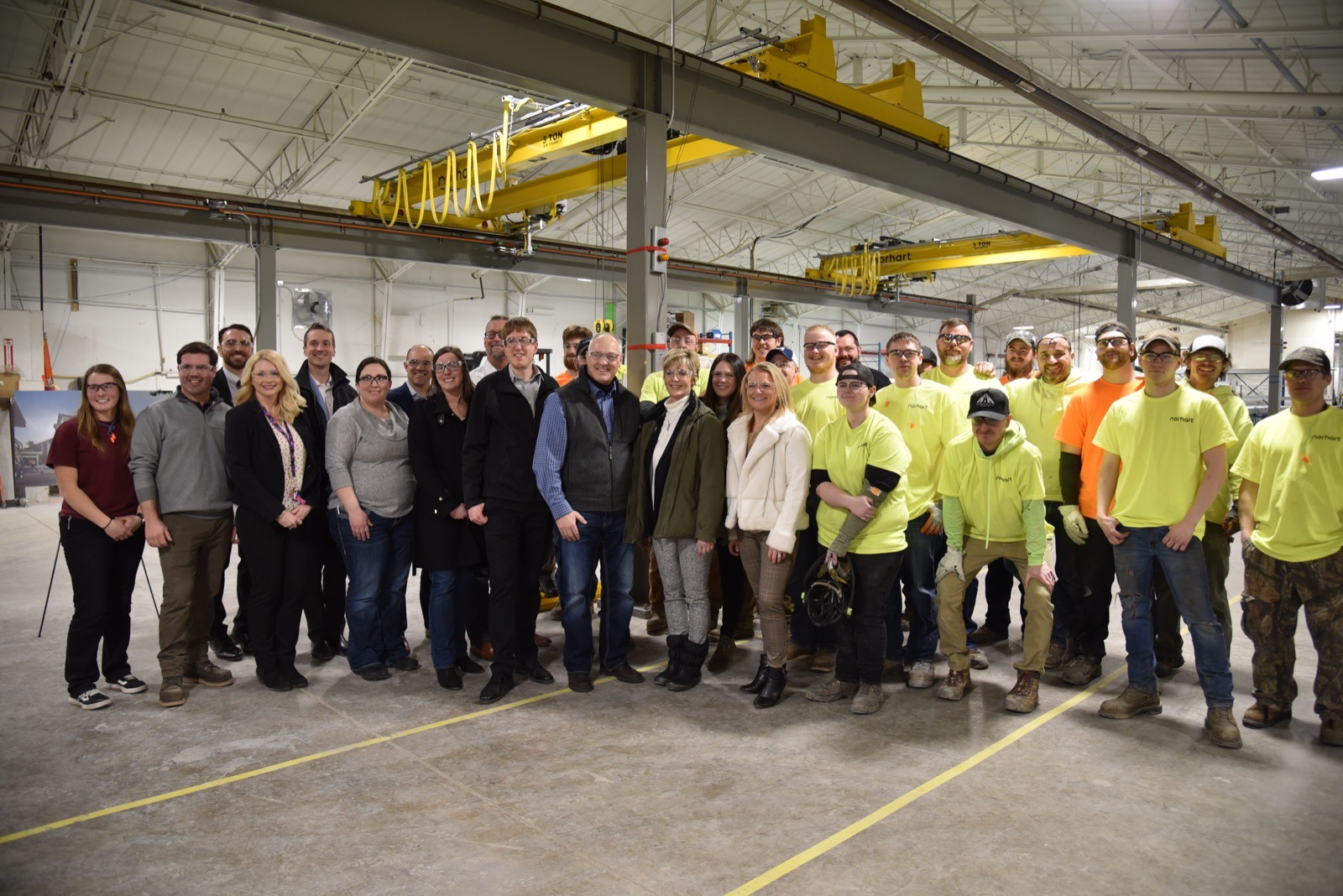
The company did not come through whole. We went from 250 people to about 15, and letting people go was one of the hardest things I have ever done. My wife and I lost money. The people we let go lost their jobs.
They knew the end was coming, and they stayed and worked until their last day anyway, because they believed in the mission and in the building. Some still reach out. Luke, who built with us for almost a decade, wrote to me about six months after he left:
“I still miss it so much. … Every time I’m told to cut corners or ‘who cares’ or ‘that’s not our job,’ I can’t help but think ‘I care’ and ‘It’s my job to put out something that will change someone’s life.’ That baseline of thought for me was formed at Norhart.”
What I’d do differently
- One big new thing at a time. Get each change over its hump before starting the next.
- Budget for the hump. Expect anything new to cost more before it costs less, and set that money aside before you start.
- Keep cash you can reach. Size the cushion for a bad year, not for the year you’re planning.
- Test the worst case. Ask what happens if borrowing costs triple and sale prices fall at the same time. That is what happened to us.
The one thing I wouldn’t change is hiring the very best people. Great people unlock things that just couldn’t happen before.
What came next
Norhart is still here, running about 400 apartments. Tim, our CFO, runs most of the day-to-day with my help.
I went back to school and am working on a master’s in computer science at Georgia Tech, specializing in artificial intelligence. At Norhart, we built AI that now runs leasing, maintenance and the books, and drafts a reply to every call, text and email from our policies and each resident’s history.
Building it is how a new company, Zuy, was born. We build the brain for your business. It starts with one costly or tedious part, then connects each new part.
Want this for your business?
Tell us the one problem that costs you the most time or money. We’ll build real, working software that solves it, free, and let you try it on your own work.
Get your free solution